Microcurrent vs EMS for the Face: At-Home Beauty Devices (Part 2)
This is Part 2 of our three-part translation of a Korean beauty YouTuber’s test of 46 at-home beauty devices. Part 1 covers HIFU, RF and LDM devices and Part 3 covers the strongest device and the LG Pra.L Superform Thermashot. For a one-page summary, see the HIFU vs RF vs EMS vs microcurrent comparison chart.
EMS and Microcurrent 09:18–12:42
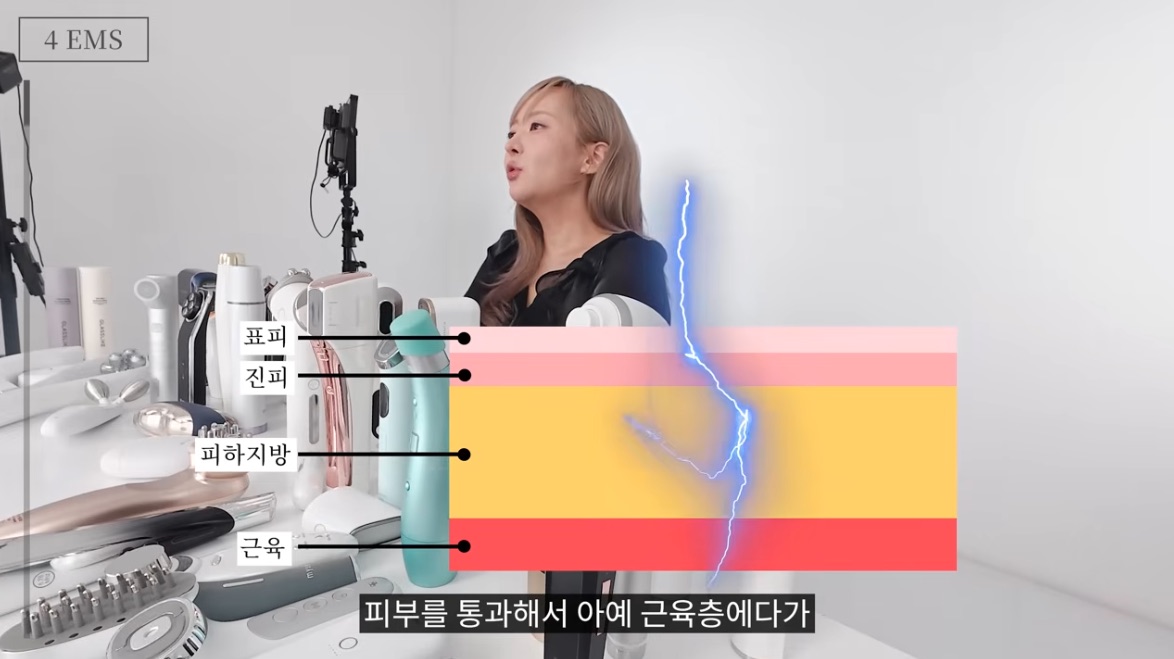
EMS, or electrical muscle stimulation, uses medium- or low-frequency electrical stimulation to prompt muscles to contract and relax. So its goal overlaps a little with HIFU when it comes to facial-contour care. I also feel that EMS massage on my face or scalp calms my redness, and I wonder whether that has something to do with lymphatic circulation. I genuinely love EMS. Some people find the tingling uncomfortable, but for me the sensation is tied to the result I am hoping for, so I enjoy it. I almost wish a stronger device would come out. That said, I have had cheaper devices develop an ammonia-like smell after long use or a malfunction, which is why I have bought the same device two or three times. The expensive end is KRW 2 million, while a Japanese import is KRW 500,000. That is intimidating too.
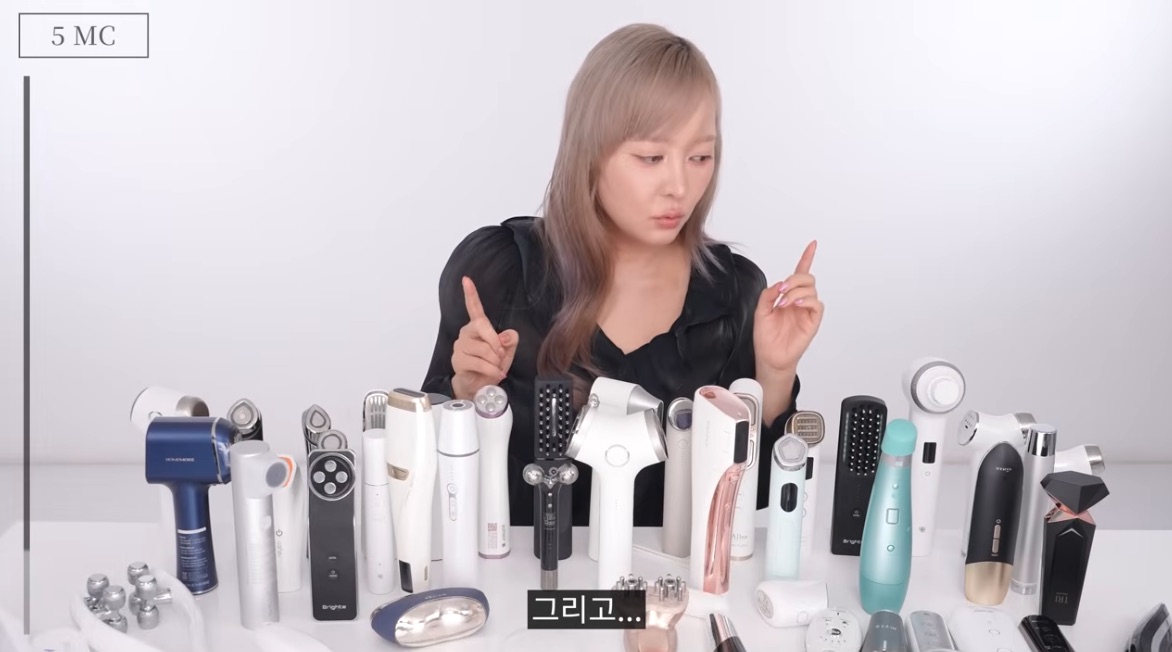
Microcurrent is electrical stimulation too, but to me it feels shallower and gentler than EMS. If EMS makes your face twitch a little, or feels like the electrical stimulation you get at a Korean medicine clinic, microcurrent feels more like being tapped with a wooden chopstick. That is strictly the difference I feel as a consumer. Another reason I loved the Pra.L Skin Booster was its combination of microcurrent and delivery support. LG does not make a big show of calling it microcurrent; it describes it more as patented ultrasound with microcurrent added in. Either way, I liked the clearer-looking feeling I got in five minutes. Medicube Booster Pro has this mode too, and in my experience Mommycare Penta Prime is a much more affordable version with a very similar feel.
Galvanic Current and Electroporation 12:42–14:56
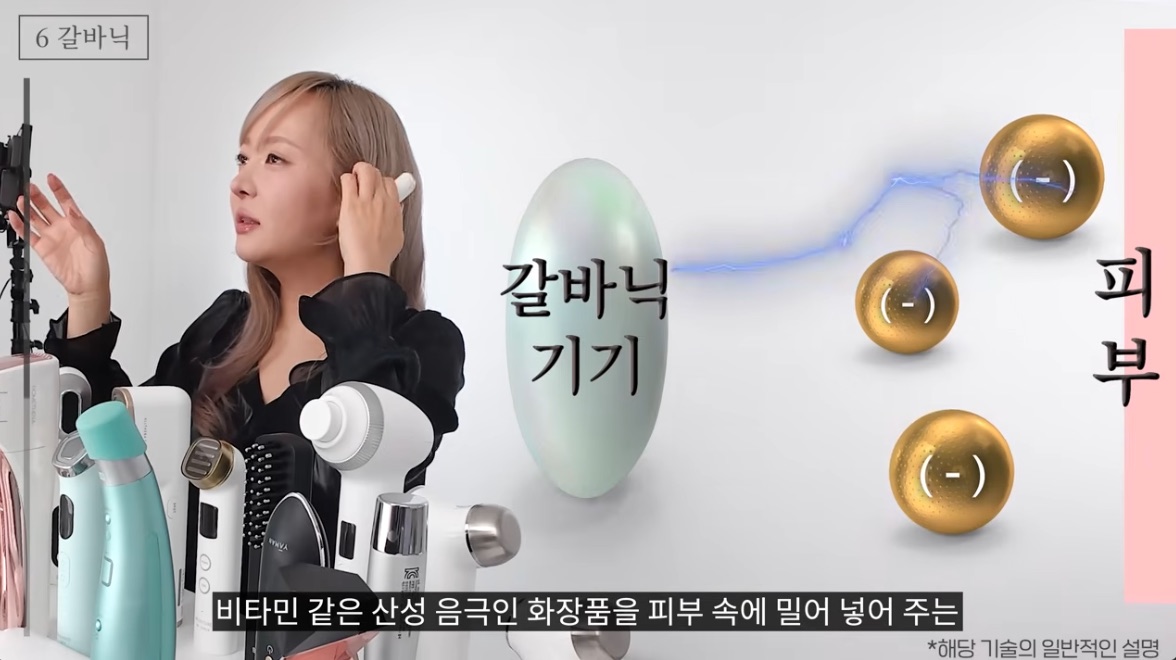
Galvanic current, also called iontophoresis, is a technique that has been used in esthetics for a long time. You can describe it as using the way like charges repel to help compatible ingredients move in. It used to sell heavily on home-shopping channels, but it is quieter now. I think that may be because the high-potency vitamin products paired with it can be tricky to handle. Using just any watery hydrating ampoule or cica ampoule does not mean the same thing.

Electroporation uses electrical pulses to create tiny pathways in the stratum corneum, helping topical skincare penetrate. It is a technology people look to for pore care or product delivery, and while it is not as intense as EMS or HIFU, it can still sting. That is probably why people concerned about pores tend to like these devices. Be careful: sharing a technology name does not make all devices the same. You need to check whether a product is primarily designed around pore care or product delivery. Booster Pro and Penta Prime are representative examples, and since Booster Pro was such a hit, I expect more devices like these to appear.
Multi-Devices: Having a Feature Is Not the Same as Satisfying Me 14:56–17:27
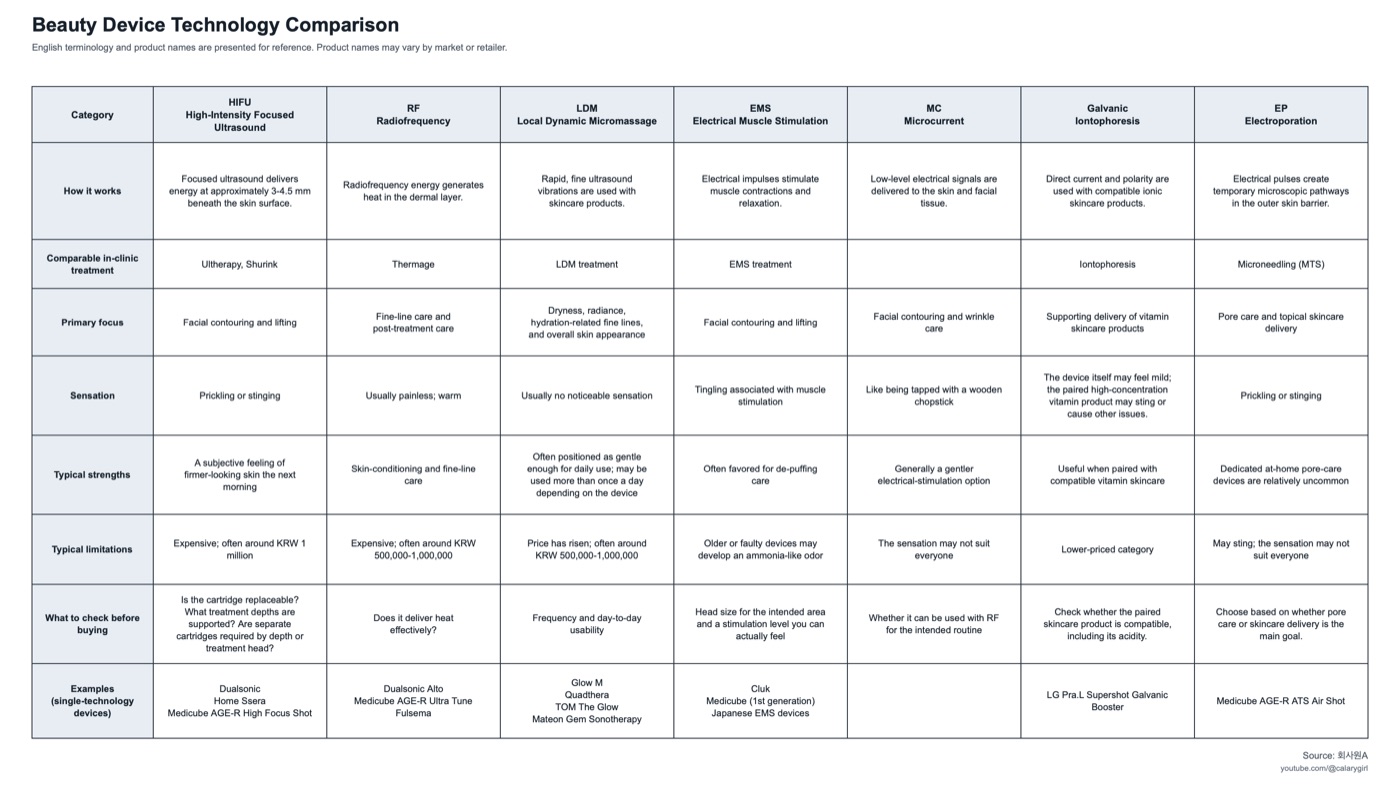
The chart below summarizes the technologies covered in Parts 1 and 2. A text version is on the comparison chart page linked above.
Common questions
What is the difference between EMS and microcurrent?
The YouTuber says EMS uses medium- or low-frequency electrical stimulation to make muscles contract and relax, and may make your face twitch a little, like the electrical stimulation at a Korean medicine clinic. Microcurrent is electrical stimulation too, but to her it feels shallower and gentler, more like being tapped with a wooden chopstick. She stresses this is strictly the difference she feels as a consumer.
Why do some EMS devices smell like ammonia?
She says she has had cheaper devices develop an ammonia-like smell after long use or a malfunction, which is why she has bought the same device two or three times.
What is galvanic current (iontophoresis)?
A technique that has been used in esthetics for a long time. She describes it as using the way like charges repel to help compatible ingredients move in. It used to sell heavily on home-shopping channels, and she thinks it is quieter now because the high-potency vitamin products paired with it can be tricky to handle.
What is electroporation and does it hurt?
Electroporation uses electrical pulses to create tiny pathways in the stratum corneum, helping topical skincare penetrate. She says it is not as intense as EMS or HIFU but can still sting, which is probably why people concerned about pores tend to like these devices.
Which devices does she mention for microcurrent and product delivery?
She mentions the discontinued LG Pra.L Skin Booster, which combined microcurrent and delivery support, and says Medicube Booster Pro has this mode too. She says Mommycare Penta Prime is a much more affordable version with a very similar feel, and names Booster Pro and Penta Prime as representative electroporation examples.
How much does an EMS device cost?
She says the expensive end is KRW 2 million, while a Japanese import is KRW 500,000.
Keep reading
- Beauty devices, Part 1: HIFU vs RF vs LDM HIFU vs RF vs LDM for your face: a Korean beauty YouTuber who owns 46 at-home devices explains what each does and what to check before buying.
- Beauty devices, Part 3: strongest device & LG Pra.L A Korean beauty YouTuber on the LG Pra.L Superform Thermashot Ultimate (RF, microcurrent, EMS, electroporation) and her pick for the strongest at-home device.
- HIFU vs RF vs EMS vs microcurrent chart HIFU vs RF vs EMS vs microcurrent, LDM, galvanic and electroporation in one chart: how each works, how it feels, strengths, limits and example devices.